01

Banff in September

Book Banff

Book Banff National Park Adventures and Attractions. Banff National Park's towering peaks and beautiful meadows make it among Canada's most incredible holiday areas. Plan your Canadian Rockies vacation and Book Banff's most popular attractions.

Book Banff National Park Book Banff
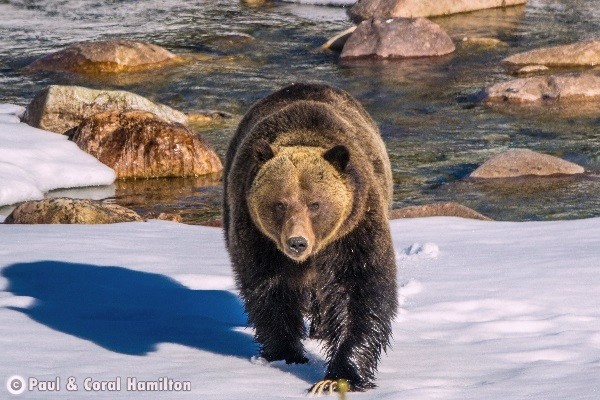
Banff National Park Wildlife

02

Banff National Park

Columbia Icefield Tour & Glacier Skywalk

Columbia Icefield Tour including the Glacier Skywalk from Icefield Glacier Discovery Centre. Discover the awe-inspiring mountain scenery and massive glaciers of Alberta's Rocky Mountain region on this Columbia Icefields tour.

Jasper Columbia Icefield Tour & Glacier Skywalk
Book Glacier Skywalk and Athabasca Glacier Tour Jasper Columbia Icefield Home
Jasper Wildlife Tour Videos

03

Banff in September

Banff Gondola Ride Admission

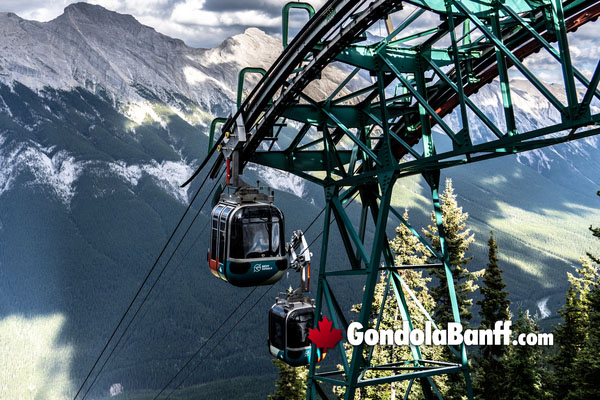
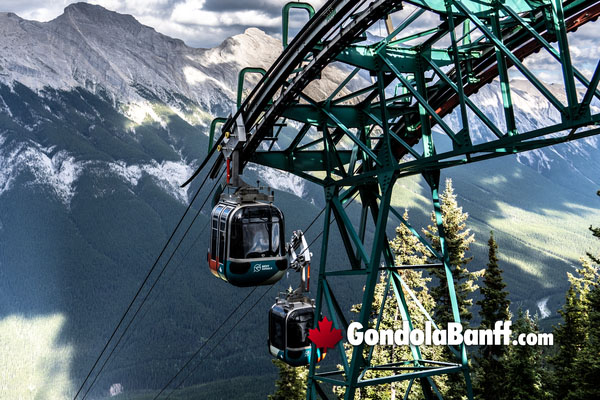
The Popular Banff Gondola provides visitors with an amazing scenic ride to the summit of Sulphur Mountain, offering panoramic views of the Canadian Rockies and the Bow Valley.

Banff Gondola at Sulphur Mountain
*Purchasing Gondola Tickets in Advance is Recommended. Book the Banff Gondola Banff Gondola Home
Banff National Park Wildlife

September in Banff National Park

September is one of the most balanced months to visit Banff. Early fall brings cooler temperatures, reduced crowds, and stable weather patterns.


Things to Do in Banff in September

September is one of the most balanced months to visit Banff. Early fall brings cooler temperatures, reduced crowds, and stable weather patterns. Daylight remains generous at the beginning of the month, while evenings become crisp and increasingly autumnal. The landscape transitions gradually-valley forests remain green, while higher elevations begin shifting toward golden tones as larch season approaches mid-to-late September.

Hiking & Larch Season

September offers exceptional hiking conditions. Trails are typically dry and fully accessible, and insect activity drops significantly compared to mid-summer. Early September resembles summer hiking, while later in the month introduces cooler mornings and potential frost at elevation.

Mid-to-late September marks the beginning of larch season-when alpine larch trees turn a vivid gold for a brief two, to three-week window. Popular hikes near Lake Louise and higher-elevation areas draw visitors specifically for this phenomenon. Early starts are recommended during peak larch viewing.

Wildlife remains active as animals prepare for winter. Elk rutting season begins in September, and visitors may hear distinctive bugling calls in valley areas. Maintaining distance is critical during this heightened activity period.

Lakes & Scenic Views

Glacial lakes retain their turquoise color in early September, particularly during clear, sunny days.
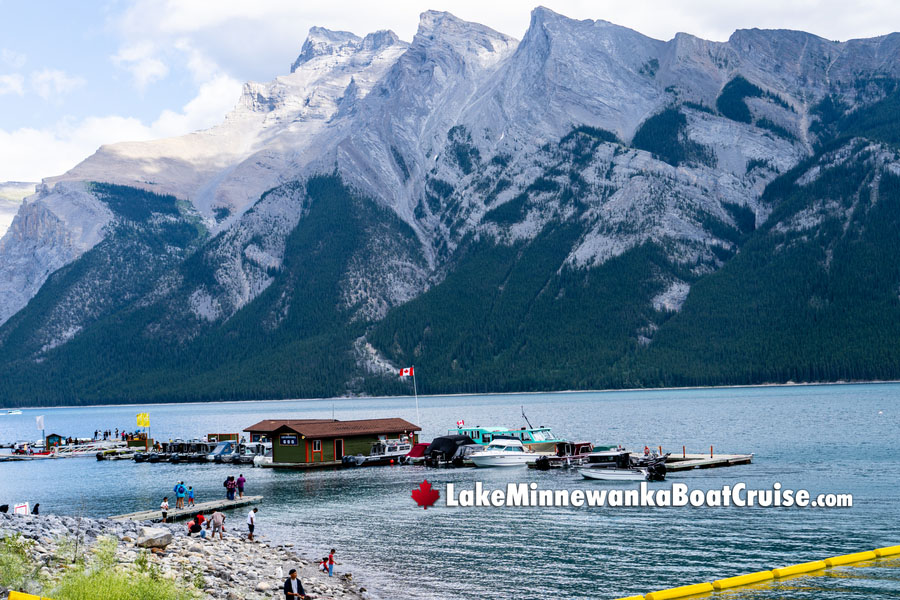
Lake Minnewanka remains suitable for boating and shoreline walks, though boat cruise operations begin winding down later in the month.
Lake Louise is typically calm in the early mornings, offering strong reflections and cooler photography conditions compared to summer. Canoe rentals often operate through much of September, weather permitting.

Banff Gondola & Mountain Vistas

The Banff Gondola continues full operation in September. Clear autumn air frequently improves long-range visibility from Sulphur Mountain. As temperatures cool, summit visits become more comfortable for extended boardwalk walks and interpretive exploration.
Sunsets arrive earlier than summer, making evening visits easier to plan without extremely late hours.

Scenic Drives & Wildlife Viewing

September is an excellent month for driving the Icefields Parkway. Traffic decreases compared to July and August, while alpine scenery remains accessible. Wildlife sightings-elk, bighorn sheep, and mountain goats-are common, especially during early morning and dusk.
Lower light angles enhance photography, particularly along river corridors and mountain passes.

Cycling & Outdoor Recreation

The Banff Legacy Trail remains open in September and is ideal for cooler, more comfortable cycling conditions. Mountain biking trails are typically dry and in excellent shape.
Cooler temperatures also create strong conditions for trail running and longer-distance hiking objectives. Snow is uncommon in early September but can appear at high elevations toward the end of the month.

Dining & Atmosphere

September carries a noticeably calmer atmosphere compared to peak summer. Patio dining remains viable in early September, though evenings require warmer layers. Restaurant reservations are easier to secure, and overall pace in town becomes more relaxed.
Accommodation rates may begin to moderate slightly after the Labour Day period, depending on demand and larch-season timing.

Practical Considerations

Dress in layers; mornings can be near freezing at elevation.
Start early during larch season to avoid congestion.
Monitor weather forecasts for early snow at higher elevations.
Exercise wildlife caution, especially during elk rutting season.
September in Banff delivers a refined mountain experience: stable hiking conditions, crisp air, emerging fall color, and reduced crowds-ideal for visitors seeking high-quality alpine access without midsummer intensity.

Banff Gondola During September

September combines outstanding mountain scenery, comfortable weather, fewer crowds, vibrant autumn colours, excellent hiking conditions, and unforgettable panoramic views, making it one of the premier months to visit the Banff Gondola.

Banff Gondola During September

Banff Gondola During September

September is one of the best times to experience the Banff Gondola. The summer crowds begin to ease, the weather is often cool and comfortable, and the surrounding mountains start to display the first signs of autumn. As the gondola climbs Sulphur Mountain, visitors enjoy sweeping views of Banff, the Bow Valley, Mount Rundle, Cascade Mountain, and countless snow-dusted peaks that become more common later in the month.

At the summit, crisp mountain air and excellent visibility often make September one of the best months for photography. Early mornings can feature dramatic sunrises with mist lingering in the valleys, while evenings bring warm golden light followed by spectacular sunsets. As daylight shortens throughout the month, visitors can also experience beautiful twilight colours over the Canadian Rockies.

The Sulphur Mountain Boardwalk remains fully accessible, allowing guests to stroll to Sanson's Peak and the historic Cosmic Ray Station. The walk offers panoramic viewpoints in every direction and is often quieter than during the peak summer season. Wildlife can occasionally be spotted from the boardwalk, including bighorn sheep, marmots preparing for winter, Clark's nutcrackers, and soaring golden eagles.

September is also an excellent time to enjoy the summit's dining experiences. Sky Bistro provides locally inspired cuisine with floor-to-ceiling mountain views, while Northern Lights Alpine Kitchen offers a relaxed dining atmosphere featuring Canadian favourites. Casual options, coffee, snacks, and gift shops are also available throughout the upper terminal.

Temperatures at the summit are noticeably cooler than in the Banff townsite. Layered clothing is recommended, as mornings and evenings can feel quite chilly even when the valley remains comfortable. By late September, occasional snowfall is possible on Sulphur Mountain, adding a beautiful contrast of white peaks against colourful autumn forests below.

Wildlife activity increases during September as animals prepare for winter. Elk are especially active during the annual rut, and visitors may hear bugling echoing through the valleys below. While wildlife sightings can be exciting, animals should always be viewed from a safe distance.

September is also one of the finest months for hiking. Many visitors combine a gondola ride with a one-way hike, either hiking up Sulphur Mountain and riding the gondola down, or riding up and enjoying the summit before hiking back to Banff. The cooler temperatures make outdoor activities much more comfortable than during the warmer summer months.

September combines outstanding mountain scenery, comfortable weather, fewer crowds, vibrant autumn colours, excellent hiking conditions, and unforgettable panoramic views, making it one of the premier months to visit the Banff Gondola. Banff Gondola

Jasper Columbia Icefields in September

For many visitors, September offers the ideal balance of comfortable crowds, outstanding mountain scenery, crisp weather, vibrant autumn landscapes, and unforgettable glacier experiences. Whether exploring the Athabasca Glacier, walking the Skywalk, or simply enjoying the spectacular drive through the Canadian Rockies, the Columbia Icefields provide one of the most memorable destinations of the fall season.

Jasper Columbia Icefields in September

Jasper Columbia Icefields in September

September is one of the most spectacular months to visit the Columbia Icefields. As summer transitions into autumn, cooler temperatures, changing alpine colours, and the first dustings of snow on the surrounding peaks create some of the year's most dramatic scenery. Visitor numbers are typically lower than during the peak summer season, making it easier to enjoy the attractions at a more relaxed pace.

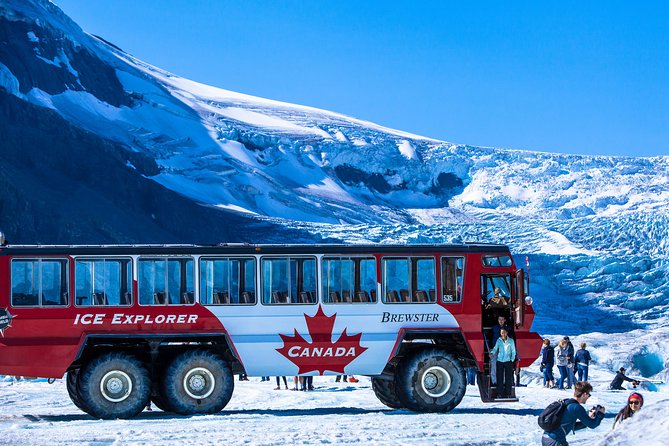
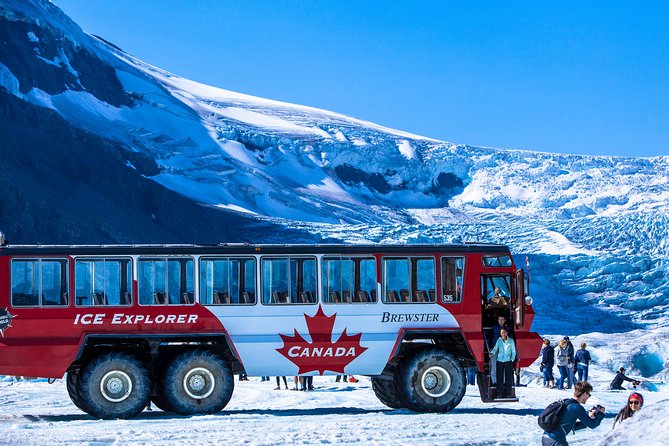
The Athabasca Glacier remains the centrepiece of the experience. Visitors can travel onto the glacier aboard specially designed Ice Explorer vehicles, stepping onto ancient ice that has formed over thousands of years. Guides explain how glaciers shape the landscape, how the icefield feeds major river systems across North America, and how the glacier continues to change over time. September's cooler weather often provides crisp, clear conditions that enhance the views across the ice.

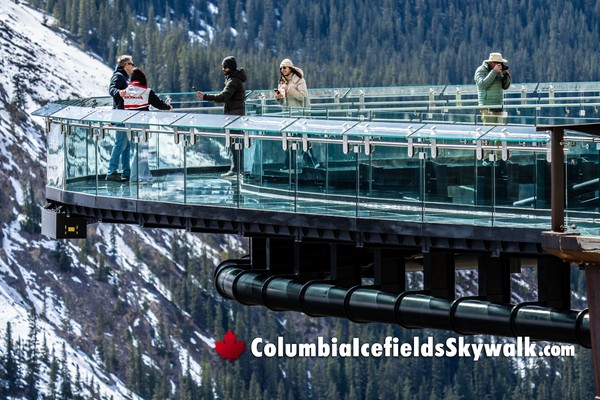
The Columbia Icefield Skywalk is especially impressive during September. Suspended high above the Sunwapta Valley, the glass-floored observation platform offers breathtaking views of glaciers, rugged mountain peaks, waterfalls, and colourful alpine slopes beginning to display shades of yellow and gold. The cooler air often brings exceptional visibility, making it one of the best months for panoramic photography.

Inside the Columbia Icefield Centre, visitors can explore interactive exhibits that explain the geology, wildlife, climate, and history of the Canadian Rockies. Large viewing windows overlook the Athabasca Glacier, while restaurants, cafés, and comfortable seating areas allow guests to relax while taking in the mountain scenery. The centre also features gift shops offering locally inspired souvenirs, books, apparel, and outdoor gear.

September weather can vary considerably throughout the day. Sunny afternoons may be pleasant, while mornings and evenings are often quite cold. Temperatures near the glacier are much lower than in nearby valleys, and strong winds are common. Layered clothing, a warm jacket, sturdy footwear, gloves, and a hat are highly recommended for anyone planning to spend time outdoors.

Wildlife sightings are common along the Icefields Parkway during September. Mountain goats, bighorn sheep, elk, and occasionally bears can often be seen feeding along mountain slopes as they prepare for winter. The surrounding alpine meadows begin their seasonal transition, creating beautiful contrasts between golden vegetation, dark rock faces, turquoise lakes, and white glacier ice.

September is also an excellent time for photographers. The lower angle of the sun produces rich lighting throughout the day, while fresh snow on nearby peaks creates striking contrasts against autumn colours below. Sunrise and sunset often bring vivid colours to the surrounding mountains, making nearly every viewpoint along the Icefields Parkway worth stopping for.

For many visitors, September offers the ideal balance of comfortable crowds, outstanding mountain scenery, crisp weather, vibrant autumn landscapes, and unforgettable glacier experiences. Whether exploring the Athabasca Glacier, walking the Skywalk, or simply enjoying the spectacular drive through the Canadian Rockies, the Columbia Icefields provide one of the most memorable destinations of the fall season. Jasper Columbia Icefields

Columbia Icefields Glacier Skywalk During September

September is an excellent time to experience the Columbia Icefield Skywalk. Cooler weather, fewer peak-season crowds, autumn colours, fresh mountain snow, and expansive views across the Sunwapta Valley create one of the most atmospheric times of year to walk above the Canadian Rockies.

Columbia Icefields Glacier Skywalk During September

Columbia Icefields Glacier Skywalk During September

The Columbia Icefield Skywalk in September offers a dramatic blend of glacier scenery, early autumn colour, crisp mountain air, and fresh snow on the surrounding peaks. The busiest summer period begins to ease, creating a more relaxed experience along the cliffside walkway and glass-floored observation platform.

The journey begins with a shuttle ride from the Columbia Icefield Centre to the Skywalk site. From there, visitors follow an interpretive walkway along the edge of the Sunwapta Valley. Displays explain the area's geology, glaciers, wildlife, waterfalls, and changing mountain environment before the path reaches the main glass platform.

The curved glass walkway extends over the valley, providing unobstructed views of rugged cliffs, distant glaciers, alpine forests, waterfalls, and the Icefields Parkway. Looking through the transparent floor reveals the steep drop beneath the platform, making the experience both exciting and memorable. Visitors who prefer not to stand directly on the glass can still enjoy the surrounding views from solid sections of the platform.

September often provides excellent visibility and beautiful photography conditions. Golden alpine vegetation contrasts with grey rock, blue-green rivers, white glacier ice, and newly snow-dusted mountains. The lower autumn sun can create rich light across the valley, especially during the morning and later afternoon.

Conditions can change quickly at this elevation. A calm, sunny day can become cold and windy within minutes, and snow or freezing rain is possible later in the month. Visitors should bring a warm jacket, layered clothing, gloves, a hat, and secure footwear. Loose hats and lightweight items should be kept secure because strong winds are common on the exposed platform.

Wildlife may also be visible during the shuttle ride or from the surrounding slopes. Mountain goats, bighorn sheep, ravens, and other alpine wildlife are sometimes seen in the area, although sightings cannot be guaranteed. September is an active transition period as animals prepare for winter.

The complete Skywalk visit includes transportation from the Columbia Icefield Centre, time along the interpretive trail, and time on the observation platform. Visitors should allow enough time for shuttle boarding, the ride to the attraction, exploring the walkway, and returning to the centre.

September is an excellent time to experience the Columbia Icefield Skywalk. Cooler weather, fewer peak-season crowds, autumn colours, fresh mountain snow, and expansive views across the Sunwapta Valley create one of the most atmospheric times of year to walk above the Canadian Rockies. Columbia Icefields Glacier Skywalk

Golden Skybridge in September

September is an excellent time to visit Golden Skybridge. Cooler weather, fewer peak-season crowds, early autumn colours, dramatic mountain scenery, and a full range of outdoor attractions create a memorable fall adventure in Golden, British Columbia.

Golden Skybridge in September

Golden Skybridge in September

Golden Skybridge in September offers a beautiful mix of cooler mountain weather, changing forest colours, and thrilling outdoor attractions above the Columbia Valley. The summer crowds begin to ease, creating a more relaxed atmosphere throughout the park while the surrounding mountains remain clear, dramatic, and highly photogenic.

The two suspension bridges remain the centrepiece of the experience. Stretching across a deep canyon, they provide sweeping views of forested slopes, rugged mountain peaks, waterfalls, and the valley below. In September, the first autumn colours begin to appear among the trees, adding shades of yellow and gold to the mountain scenery.

The cooler temperatures make walking the canyon trails, exploring the viewpoints, and crossing the bridges more comfortable than during the hottest summer days. Crisp mornings often give way to pleasant afternoons, although conditions can change quickly. Visitors should dress in layers and bring a light jacket, especially for early or late visits.

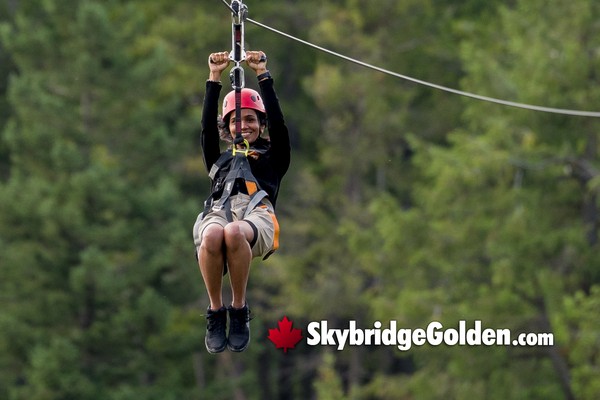
September is also a great time to enjoy the park’s adventure attractions. Depending on operating conditions, visitors may experience the Railrider Mountain Coaster, canyon zipline, Giant Canyon Swing, Canyon Edge Challenge, axe throwing, climbing wall, and family-friendly Treetop Village. These attractions combine mountain scenery with a wide range of activity levels, from gentle exploration to high-adrenaline adventure.

The Railrider Mountain Coaster is especially enjoyable in the cooler fall air. Riders travel downhill through the forest while controlling their own speed, taking in flashes of mountain and canyon scenery along the route. The zipline and canyon swing provide more intense experiences, offering dramatic aerial views across the park.

Families can spend time exploring the Treetop Village, climbing features, pathways, and interactive play areas. The park also includes places to rest, food and beverage options, outdoor seating, gift shopping, and scenic areas where visitors can watch others take part in the attractions.

September light is excellent for photography. The lower angle of the sun creates richer mountain shadows, while autumn vegetation, waterfalls, forested ridgelines, and the bridges provide a wide variety of photo opportunities. Clear days can offer outstanding long-distance views across the Columbia Valley.

Wildlife may occasionally be seen around the surrounding forest and mountain areas, including birds, squirrels, and larger animals at a distance. Visitors should remain aware of their surroundings and avoid approaching or feeding wildlife.

September is an excellent time to visit Golden Skybridge. Cooler weather, fewer peak-season crowds, early autumn colours, dramatic mountain scenery, and a full range of outdoor attractions create a memorable fall adventure in Golden, British Columbia. Golden Skybridge

Banff Lake Minnewanka Boat Cruise in September

September offers an exceptional Lake Minnewanka Boat Cruise experience. With fewer crowds, comfortable temperatures, spectacular mountain scenery, active wildlife, and beautiful early autumn colours, it is one of the finest times of the year to discover the largest lake in Banff National Park from the water.

Lake Minnewanka Boat Cruise in September

Banff Lake Minnewanka Boat Cruise in September

September is one of the most peaceful and picturesque times to experience the Lake Minnewanka Boat Cruise. As summer transitions into autumn, visitor numbers begin to decrease, the air becomes crisp and refreshing, and the surrounding mountains often display the first hints of fall colour. The calmer atmosphere allows visitors to fully appreciate the beauty and history of Banff National Park's largest lake.

The cruise travels across the deep, glacier-fed waters of Lake Minnewanka, surrounded by towering mountain peaks, rugged cliffs, dense evergreen forests, and wide-open shorelines. Throughout September, the lower angle of the sun creates beautiful lighting across the lake, making the scenery especially impressive for photography. Calm mornings often produce mirror-like reflections, while afternoons bring vibrant blue water beneath dramatic mountain backdrops.

Knowledgeable guides share stories about the lake's natural history, Indigenous heritage, early exploration, wildlife, and the communities that once existed along the shoreline before the lake was expanded by the construction of the dam. Visitors learn about the area's geology, changing ecosystems, and the fascinating history hidden beneath the surface of the lake.

Wildlife activity often increases during September as animals prepare for winter. Bighorn sheep, deer, elk, mountain goats, bald eagles, ospreys, and other wildlife may occasionally be spotted along the shoreline or soaring overhead. Elk are particularly active during their annual rut, and their distinctive bugling calls can sometimes be heard echoing through nearby valleys.

September weather is generally cool and comfortable but can change quickly. While sunny afternoons may feel pleasant, temperatures on the open lake can be much cooler, especially when the boat is underway. Visitors should bring layered clothing, a warm jacket, and sunglasses, as breezes across the water can be surprisingly chilly.

The marina remains an enjoyable place to explore before or after the cruise. Visitors can relax along the lakeshore, enjoy refreshments, browse the gift shop, or simply take in the spectacular mountain scenery. Picnic areas and nearby walking paths make it easy to extend the visit while enjoying the peaceful surroundings.

Photographers often consider September one of the best months to visit Lake Minnewanka. The combination of crisp mountain air, changing forests, dramatic skies, and clear water creates outstanding opportunities throughout the day. Early morning and late afternoon light produce particularly vibrant colours across the lake and surrounding peaks.

September offers an exceptional Lake Minnewanka Boat Cruise experience. With fewer crowds, comfortable temperatures, spectacular mountain scenery, active wildlife, and beautiful early autumn colours, it is one of the finest times of the year to discover the largest lake in Banff National Park from the water. Banff Lake Minnewanka Boat Cruise

Jasper SkyTram in September

September delivers an outstanding Jasper SkyTram experience. With fewer crowds, spectacular mountain vistas, comfortable hiking conditions, early autumn colours, abundant wildlife activity, and unforgettable panoramic views from Whistlers Mountain, it is one of the most rewarding times of year to visit Jasper National Park.

Jasper SkyTram Opens in September

Jasper SkyTram in September

September is one of the finest times to experience the Jasper SkyTram. As autumn arrives in the Canadian Rockies, cooler temperatures, crisp mountain air, and the first golden colours of the alpine landscape create a spectacular setting. The busy summer season begins to wind down, allowing visitors to enjoy a more peaceful journey to the summit of Whistlers Mountain.

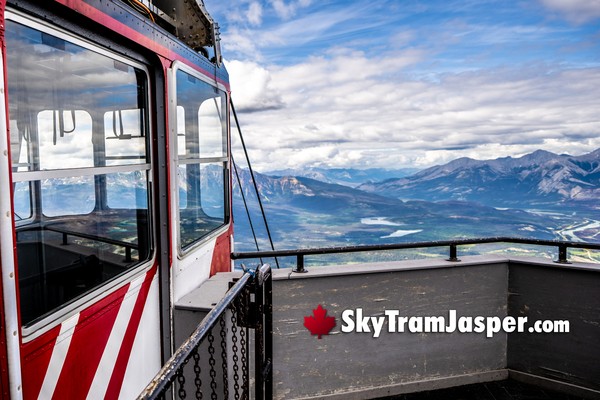
The aerial tram climbs high above the Athabasca Valley, revealing ever-expanding views of Jasper, surrounding mountain ranges, winding rivers, and dense evergreen forests. As the tram ascends, visitors can watch the landscape transform from valley floor to alpine tundra, where rugged peaks stretch across the horizon in every direction. Fresh snow may begin appearing on the highest summits later in the month, adding even more contrast to the colourful autumn scenery.

Upon arriving at the upper terminal, visitors are welcomed by breathtaking panoramic views extending across Jasper National Park. The viewing decks provide excellent opportunities to photograph Jasper townsite, Pyramid Mountain, the Athabasca River, and countless surrounding peaks. September's clear, cool air often produces some of the best visibility of the entire year.

Many visitors continue beyond the upper terminal by hiking toward the summit of Whistlers Mountain. The trail passes through fragile alpine tundra, where hardy wildflowers give way to colourful mosses and low-growing vegetation preparing for winter. Along the way, hikers may spot marmots, pikas, hoary marmots, or mountain goats navigating the rocky slopes.

The Summit Café offers a comfortable place to relax while enjoying sweeping mountain views through its large windows. Visitors can enjoy a meal, warm beverage, or snack before continuing their exploration or beginning the return journey down the mountain. Outdoor seating areas also provide beautiful places to take in the scenery on pleasant September days.

September weather at the summit can be much cooler than in Jasper townsite. Temperatures may be near freezing during the morning, and strong winds are common at higher elevations. Layered clothing, a warm jacket, sturdy footwear, gloves, and a hat are recommended, especially later in the month when early snowfall becomes increasingly possible.

Wildlife activity often increases during September as animals prepare for winter. Elk become especially active during the annual rut, and their bugling calls may echo through the valleys below. Bighorn sheep, mountain goats, golden eagles, ravens, and other alpine wildlife may also be seen from the tram or along the summit trails.

Photographers often consider September one of the year's best months for the Jasper SkyTram. The combination of vibrant autumn colours, crisp mountain air, dramatic cloud formations, snow-dusted peaks, and soft golden light creates exceptional conditions throughout the day, particularly during the morning and late afternoon.

September delivers an outstanding Jasper SkyTram experience. With fewer crowds, spectacular mountain vistas, comfortable hiking conditions, early autumn colours, abundant wildlife activity, and unforgettable panoramic views from Whistlers Mountain, it is one of the most rewarding times of year to visit Jasper National Park. Jasper SkyTram

Maligne Lake Boat Cruise During September

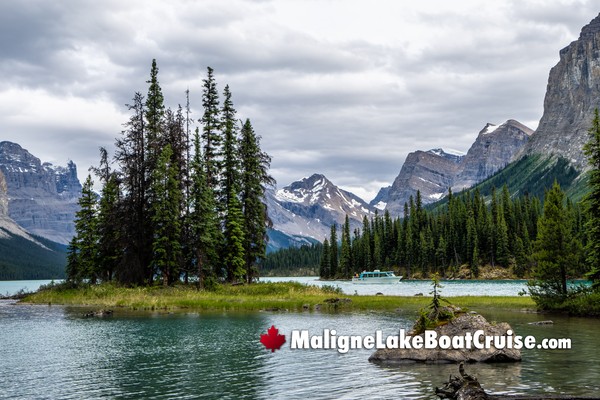
September offers one of the finest Maligne Lake Boat Cruise experiences of the year. Fewer visitors, comfortable temperatures, outstanding mountain scenery, abundant wildlife activity, crystal-clear reflections, and the stunning beauty of Spirit Island during the early days of autumn make it an unforgettable journey through Jasper National Park.

Maligne Lake Boat Cruise During September

Maligne Lake Boat Cruise During September

September is one of the most beautiful and peaceful months to experience the Maligne Lake Boat Cruise. As autumn begins to arrive in Jasper National Park, cooler temperatures, crisp mountain air, and the first touches of golden colour transform one of Canada's most famous lakes into an unforgettable destination. With the peak summer season coming to an end, visitors often enjoy a quieter and more relaxed experience on the water.

The cruise glides across the crystal-clear waters of Maligne Lake, surrounded by towering mountain peaks, dense evergreen forests, rugged shorelines, and picturesque islands. September's calm conditions frequently produce mirror-like reflections that showcase the surrounding landscape, making the journey especially rewarding for photographers and nature lovers.

The highlight of the cruise is the visit to Spirit Island, one of the most photographed locations in the Canadian Rockies. Upon arrival, visitors follow a short walking path to the famous viewpoint overlooking the small island framed by turquoise water and the majestic Hall of the Gods mountain range. The combination of early autumn colours, fresh mountain air, and occasional snow on the highest peaks creates breathtaking scenery that is unique to the fall season.

Throughout the cruise, knowledgeable guides share fascinating stories about the history of Maligne Lake, Indigenous connections to the area, early explorers, local wildlife, mountain geology, and the glaciers that shaped this remarkable landscape. Their commentary adds depth to the journey while helping visitors better appreciate the natural environment surrounding them.

September is also an excellent month for wildlife viewing. Moose, elk, deer, bald eagles, ospreys, and occasionally bears may be seen around the lake or along the access road as animals become increasingly active before winter. Elk are particularly noticeable during the annual rut, and their bugling calls can sometimes be heard echoing through the surrounding valleys.

Weather conditions in September can vary throughout the day. While sunny afternoons are often pleasant, mornings and evenings are much cooler, and breezes across the lake can make it feel even colder. Visitors should dress in layers and bring a warm jacket, especially when spending time on the outdoor viewing areas of the boat or at Spirit Island.

Before or after the cruise, visitors can enjoy the Maligne Lake shoreline, browse the gift shop, relax on outdoor patios, or enjoy a meal while taking in views of the lake and surrounding mountains. The quieter pace of September makes it easy to spend additional time exploring the area without the larger crowds of midsummer.

September's lower angle of sunlight creates exceptional photography conditions throughout the day. Golden light illuminates the mountain peaks, while colourful forests, calm water, dramatic skies, and the iconic scenery around Spirit Island combine to create some of the most memorable images of the Canadian Rockies.

September offers one of the finest Maligne Lake Boat Cruise experiences of the year. Fewer visitors, comfortable temperatures, outstanding mountain scenery, abundant wildlife activity, crystal-clear reflections, and the stunning beauty of Spirit Island during the early days of autumn make it an unforgettable journey through Jasper National Park. Maligne Lake Boat Cruise

September at Abraham Lake

September is one of the most rewarding times to visit Abraham Lake. With fewer visitors, vibrant early fall colours, exceptional photography conditions, active wildlife, and breathtaking Rocky Mountain scenery, it offers a peaceful and unforgettable experience along one of Alberta's most scenic highways.

September at Abraham Lake

September at Abraham Lake

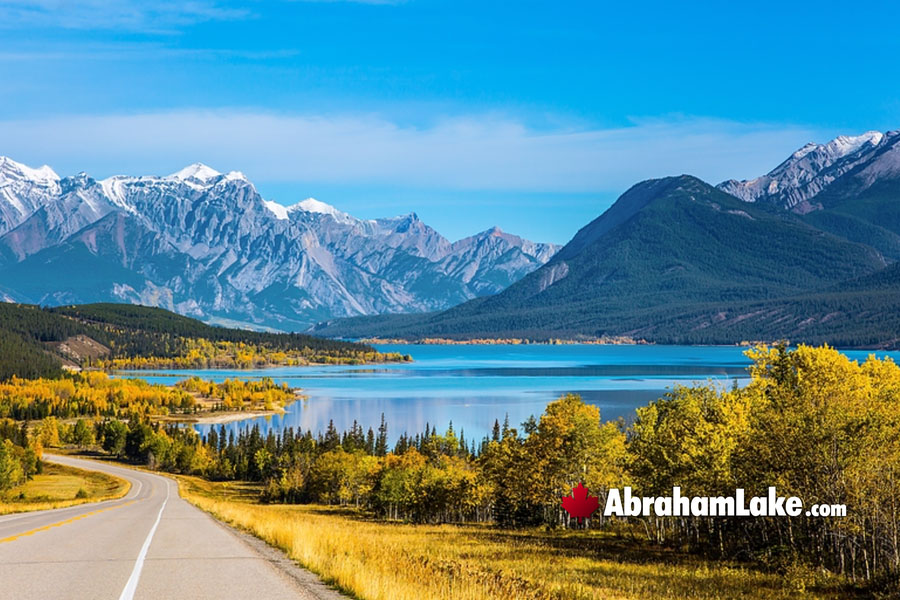
September is one of the best times to visit Abraham Lake. As autumn begins to arrive in the eastern Canadian Rockies, the landscape transforms with cooler temperatures, crisp mountain air, and the first golden colours appearing among the forests and river valleys. The busy summer season starts to fade, creating a quieter and more peaceful atmosphere along the lake's scenic shoreline.

Known for its brilliant turquoise water, Abraham Lake is surrounded by rugged mountain peaks, dramatic cliffs, rolling foothills, and wide-open vistas. In September, the combination of deep blue water, colourful autumn vegetation, and occasional snow on the highest mountains creates some of the year's most spectacular scenery. The lower angle of the sun produces rich lighting that enhances the lake's vibrant colours throughout the day.

September offers excellent conditions for photography. Calm mornings often provide beautiful reflections of the surrounding mountains, while sunrise and sunset cast warm golden light across the lake. The contrast between turquoise water, yellowing aspens, evergreen forests, and snow-dusted peaks creates unforgettable images from nearly every viewpoint along the shoreline.

The cooler weather makes September an ideal time for exploring the many viewpoints, beaches, and trails around Abraham Lake. Visitors can enjoy leisurely walks along the shoreline, short hikes to elevated viewpoints, or simply relax while taking in the expansive mountain scenery. The comfortable temperatures are also well suited for road trips along the David Thompson Highway, with numerous scenic pullouts overlooking the lake.

Water levels may begin to change during September as seasonal conditions evolve. Rocky beaches, driftwood-lined shorelines, and exposed sections of the lake often create unique landscapes that differ from those seen earlier in the summer. Every visit can offer a slightly different perspective depending on weather and water conditions.

Wildlife activity also increases during September as animals prepare for winter. Bighorn sheep, elk, deer, mountain goats, and a variety of birds are commonly seen throughout the surrounding valleys and mountain slopes. Visitors should remain alert, especially during early morning and evening when wildlife is often most active.

Weather can change quickly around Abraham Lake. Warm sunshine may give way to cool winds or passing mountain showers, and temperatures drop noticeably after sunset. Layered clothing, a warm jacket, and sturdy footwear are recommended for anyone planning to spend time outdoors.

Although Abraham Lake is famous for its frozen methane bubbles during winter, September showcases a completely different kind of beauty. Instead of ice, visitors experience crystal-clear water, colourful autumn landscapes, comfortable hiking weather, and wide-open mountain views that stretch for kilometres in every direction.

September is one of the most rewarding times to visit Abraham Lake. With fewer visitors, vibrant early fall colours, exceptional photography conditions, active wildlife, and breathtaking Rocky Mountain scenery, it offers a peaceful and unforgettable experience along one of Alberta's most scenic highways. Abraham Lake

Athabasca Falls in September

September is an outstanding time to experience Athabasca Falls. With fewer crowds, comfortable weather, vibrant early autumn scenery, excellent photography opportunities, and the unforgettable roar of one of Jasper National Park's most powerful waterfalls, it remains one of the highlights of any journey along the Icefields Parkway.

Athabasca Falls During September

Athabasca Falls During September

September is one of the most rewarding times to visit Athabasca Falls. As autumn arrives in Jasper National Park, cooler temperatures, crisp mountain air, and the first golden colours begin to appear throughout the surrounding forests. The summer crowds gradually diminish, allowing visitors to enjoy the powerful waterfall and its dramatic canyon in a quieter and more relaxed setting.

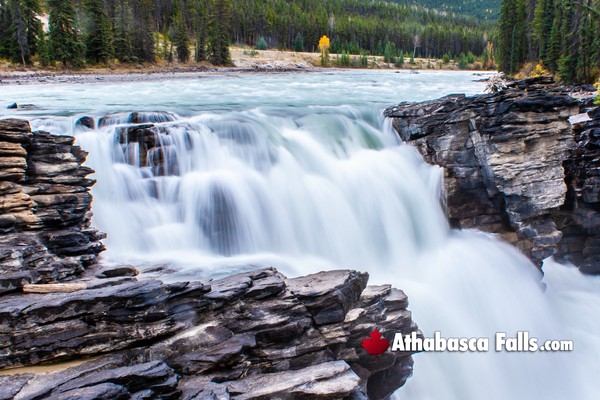
Although Athabasca Falls is not the tallest waterfall in the Canadian Rockies, it is widely regarded as one of the most impressive because of its immense volume and force. The Athabasca River surges through a narrow limestone gorge before plunging into a deep canyon, creating thunderous water, swirling rapids, and dramatic mist that can be experienced from several viewing platforms.

September offers excellent visibility throughout the area. The lower angle of the sun highlights the rugged canyon walls, sculpted potholes, and smooth rock formations carved by thousands of years of rushing water. Early autumn colours begin to frame the riverbanks, while the surrounding mountain peaks may receive their first dusting of snow later in the month, adding even more beauty to the landscape.

A network of paved pathways and viewing platforms allows visitors to safely explore several perspectives of the falls. Each viewpoint reveals a different aspect of the river's incredible power, from the main waterfall to the narrow canyon downstream where the water continues carving its way through the rock. Interpretive signs along the trails explain the area's geology, natural history, and the ongoing process of erosion that continues to shape the canyon today.

The comfortable temperatures of September make walking the trails particularly enjoyable. Visitors can take their time exploring the viewpoints, photographing the waterfalls, and appreciating the surrounding forest without the heat often experienced during the height of summer. The trails remain relatively short and accessible, making Athabasca Falls an easy stop for travellers of all ages.

Wildlife is often more active during September as animals prepare for winter. Elk, deer, bighorn sheep, and a variety of birds may occasionally be seen in nearby forested areas. Visitors should remain aware of wildlife, especially during the early morning and evening when animal activity tends to increase.

Photographers frequently consider September one of the best months to capture Athabasca Falls. The combination of powerful whitewater, colourful foliage, dramatic canyon walls, crisp blue skies, and occasional snow-covered peaks creates striking images throughout the day. Morning and late afternoon light provide especially rich colours and excellent contrast.

Weather can change quickly in the mountains during September. While afternoons are often pleasant, mornings can be cool, and light rain or strong breezes are always possible. Dressing in layers and wearing sturdy footwear will help ensure a comfortable visit.

September is an outstanding time to experience Athabasca Falls. With fewer crowds, comfortable weather, vibrant early autumn scenery, excellent photography opportunities, and the unforgettable roar of one of Jasper National Park's most powerful waterfalls, it remains one of the highlights of any journey along the Icefields Parkway. Athabasca Falls

Banff Bow Lake in September

September is one of the very best times to visit Bow Lake. Fewer visitors, vibrant early fall colours, crystal-clear turquoise water, snow-capped mountain peaks, outstanding photography opportunities, and the peaceful beauty of the Icefields Parkway combine to create an unforgettable Rocky Mountain experience.

Banff Bow Lake in September

Banff Bow Lake in September

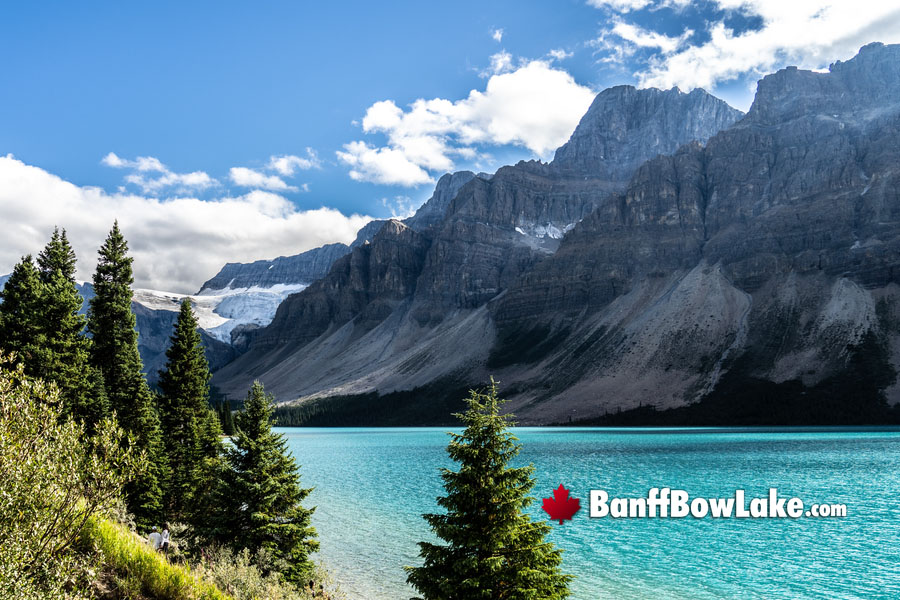
September is one of the most spectacular months to visit Bow Lake. As autumn begins to settle into Banff National Park, the landscape transforms with crisp mountain air, cooler temperatures, and the first brilliant shades of gold appearing among the alpine forests. The busy summer season gradually winds down, allowing visitors to experience one of the Canadian Rockies' most beautiful lakes in a more peaceful setting.

Nestled beneath the towering peaks of Crowfoot Mountain, Bow Peak, and Mount Thompson, Bow Lake is famous for its striking turquoise water and breathtaking mountain scenery. During September, the lake reflects the surrounding peaks with remarkable clarity on calm mornings, while the changing colours of the surrounding vegetation add warmth and contrast to the dramatic alpine landscape. By late September, fresh snow often begins to dust the highest mountain summits, creating an unforgettable combination of autumn colours and early winter scenery.

The lakeshore is easy to explore, making it an excellent destination for visitors of all ages. Gentle walking paths follow sections of the shoreline, offering outstanding views across the water toward the Wapta Icefield and surrounding mountain ranges. The cool September temperatures make these walks especially enjoyable, whether visitors are stopping for a few photographs or spending several hours exploring the area.

For hikers, September offers ideal conditions to access nearby trails leading deeper into the alpine landscape. The comfortable weather and reduced crowds create a more relaxed hiking experience, while colourful forests, rushing streams, and glacier-fed scenery make every trail especially rewarding. The surrounding mountains provide spectacular backdrops throughout the journey.

Photographers often consider September one of the finest months to capture Bow Lake. The lower angle of the sun produces soft, rich lighting that enhances the turquoise water and highlights the rugged textures of the surrounding peaks. Sunrise and early morning frequently deliver calm water with mirror-like reflections, while evening light casts warm tones across the mountains and shoreline.

Wildlife becomes increasingly active throughout September as animals prepare for winter. Visitors may spot elk, deer, mountain goats, pikas, marmots, and a variety of birds in the surrounding forests and alpine slopes. Wildlife is most commonly seen during the quieter morning and evening hours, adding another memorable element to the visit.

September weather can vary considerably throughout the day. Bright sunshine may quickly give way to cool winds, passing showers, or even light snowfall later in the month. Dressing in layers and bringing a warm jacket is recommended, especially during early mornings when temperatures can be close to freezing.

Many visitors choose to combine Bow Lake with other nearby attractions along the Icefields Parkway, making it an excellent stop between Lake Louise and Jasper. The lake's accessible location, spectacular scenery, and peaceful atmosphere make it one of the highlights of any autumn road trip through the Canadian Rockies.

September is one of the very best times to visit Bow Lake. Fewer visitors, vibrant early fall colours, crystal-clear turquoise water, snow-capped mountain peaks, outstanding photography opportunities, and the peaceful beauty of the Icefields Parkway combine to create an unforgettable Rocky Mountain experience. Banff Bow Lake

Banff Wildlife During September

September is one of the best months of the year for wildlife viewing. The combination of elk bugling, active bears, moose, mountain goats, bighorn sheep, colourful autumn scenery, and crisp mountain air creates unforgettable opportunities to experience the natural beauty and remarkable wildlife of the Canadian Rockies.

Banff Wildlife During September

Banff Wildlife During September

September is one of the most exciting months for wildlife viewing in the Canadian Rockies. As summer comes to an end and autumn begins, many animals become increasingly active while preparing for the coming winter. Cooler temperatures, changing vegetation, and seasonal breeding activity make September an excellent time for visitors to observe wildlife throughout Banff, Jasper, Yoho, Kootenay, and the surrounding mountain parks.

The most noticeable wildlife event during September is the elk rut. Mature bull elk gather harems of females and spend much of the month defending their territories from rival bulls. Their haunting bugling calls echo through mountain valleys during the early morning and evening, creating one of the Canadian Rockies' most unforgettable natural experiences. Visitors should always keep a safe distance, as bull elk can become highly aggressive during the breeding season.

Bighorn sheep are frequently seen grazing along mountain slopes, roadways, and rocky cliffs. Rams continue to establish dominance before their autumn breeding season, and visitors may occasionally witness sparring displays as they prepare for the rut later in the fall.

Moose are also more active in September, especially around lakes, wetlands, and willow-filled valleys. Large bulls begin searching for females, making sightings more common than during the warmer summer months. Their impressive antlers and solitary nature make them one of the Rockies' most sought-after wildlife encounters.

Black bears and grizzly bears remain active throughout September as they enter a period of intense feeding before winter hibernation. They spend much of their time searching for berries, roots, grasses, insects, and other food sources to build fat reserves. Bears may be encountered in both valley bottoms and alpine areas, so visitors should remain alert, carry bear spray where appropriate, and always follow wildlife safety guidelines.

Mountain goats are commonly seen high on steep cliffs and rocky alpine ridges. Their bright white coats stand out against the darker rock faces, making them easier to spot during clear September days. They continue feeding in the alpine while preparing for the colder months ahead.

Smaller mammals such as pikas, hoary marmots, ground squirrels, and chipmunks remain busy gathering food or preparing their winter shelters. Marmots become less active toward the end of the month as they prepare to hibernate, while pikas can often be seen carrying grasses and wildflowers into their rocky homes.

Birdlife also changes with the season. Bald eagles, golden eagles, osprey, ravens, Clark's nutcrackers, Canada jays, and a variety of waterfowl remain active throughout September. Some migratory birds begin heading south, while resident species take advantage of the cooler weather and abundant food sources.

Coyotes, wolves, foxes, and cougars continue hunting throughout September, although they are much more elusive than the larger herbivores. Early morning and evening provide the greatest chance of spotting these predators, particularly in quieter areas away from heavy visitor traffic.

September's comfortable temperatures make wildlife viewing enjoyable throughout the day, but sunrise and sunset remain the best times to observe animals when they are naturally most active. Calm mornings, soft golden light, and colourful autumn landscapes create exceptional opportunities for wildlife photography.

Visitors should always observe wildlife from a safe distance, never feed animals, remain on designated trails, and use binoculars or telephoto lenses for close-up views. Respecting wildlife and giving animals plenty of space helps protect both visitors and the incredible species that make the Canadian Rockies one of North America's premier wildlife destinations.

September is one of the best months of the year for wildlife viewing. The combination of elk bugling, active bears, moose, mountain goats, bighorn sheep, colourful autumn scenery, and crisp mountain air creates unforgettable opportunities to experience the natural beauty and remarkable wildlife of the Canadian Rockies. Canadian Rockies Wildlife Wildlife On Video

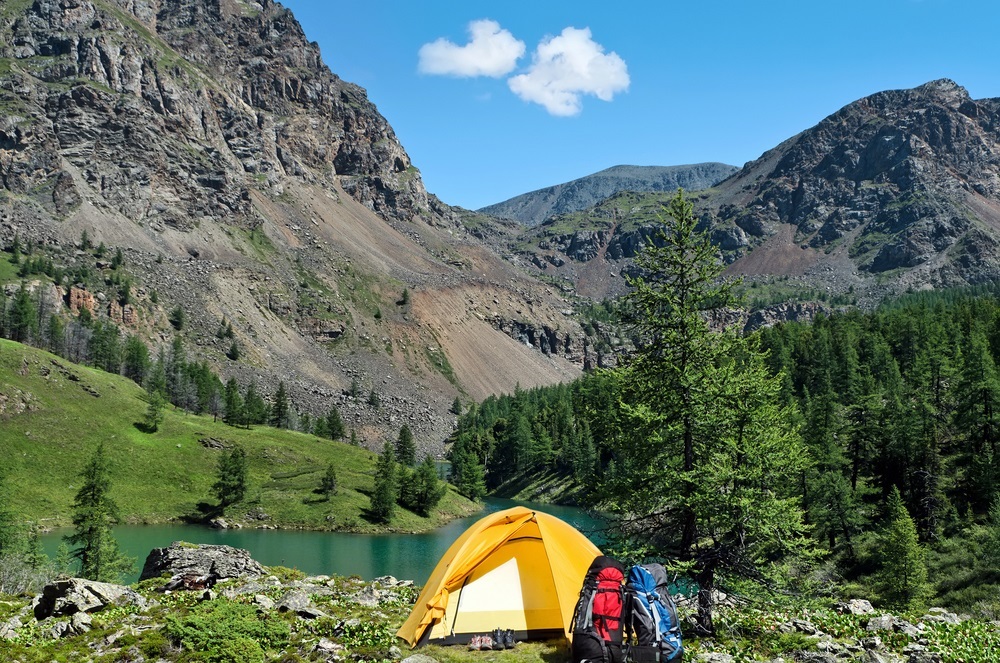
Camping in Banff During September

September is one of the most rewarding times to camp in Banff National Park. Comfortable hiking weather, fewer visitors, colourful fall scenery, active wildlife, crisp mountain air, spectacular night skies, and peaceful campgrounds combine to create an unforgettable camping experience in the heart of the Canadian Rockies.

Camping in Banff During September

Camping in Banff During September

September is one of the best months to camp in Banff National Park. As summer gives way to autumn, the crowds begin to thin, the weather becomes cooler and more comfortable, and the surrounding mountains are painted with the first vibrant shades of yellow and gold. For many campers, September offers the perfect balance of pleasant daytime conditions, peaceful campgrounds, and spectacular Rocky Mountain scenery.

Daytime temperatures are generally ideal for hiking, sightseeing, and relaxing around the campsite, while evenings become much cooler and often require warm clothing. Overnight temperatures can approach or drop below freezing, particularly later in the month, so campers should bring a quality sleeping bag, insulated sleeping pad, and layered clothing suitable for changing mountain weather.

September is an excellent time to enjoy Banff's extensive network of hiking trails. Cooler conditions make longer hikes more comfortable, while early autumn colours enhance many valleys, forests, and lakeshores. Popular destinations such as Lake Louise, Moraine Lake, Johnston Canyon, Tunnel Mountain, Vermilion Lakes, and the Icefields Parkway are particularly beautiful during this time of year.

Wildlife activity increases throughout September as animals prepare for winter. Elk are especially active during their annual rut, and visitors may hear their distinctive bugling calls echoing through the valleys. Bears continue feeding heavily before hibernation, making proper food storage and campground safety especially important. All food, coolers, garbage, pet food, and scented items should be securely stored according to campground regulations whenever they are not in immediate use.

Campfires may be permitted in designated fire pits where conditions allow, creating a warm and enjoyable atmosphere on cool September evenings. Before lighting a fire, campers should always check for any fire restrictions or bans that may be in effect and ensure fires are completely extinguished before leaving or going to bed.

September also offers excellent opportunities for photography. Calm mornings often produce beautiful reflections on lakes, while the lower angle of the sun creates warm light across mountain peaks, forests, and valleys. Early snowfall on higher elevations can add even more contrast to the colourful autumn landscape.

The clear mountain skies and longer nights make September an excellent month for stargazing. On cloudless evenings, campers can enjoy brilliant displays of stars, constellations, the Milky Way, and, on occasion, the northern lights when conditions are favourable.

Weather in the mountains can change quickly during September. Sunny mornings may give way to cool winds, rain, or even early snowfall later in the day. Campers should come prepared with waterproof clothing, warm layers, sturdy footwear, and gear suitable for a range of conditions.

Many campgrounds remain open during September, although some seasonal services begin winding down later in the month. Reserving campsites in advance is still recommended, particularly during weekends and the early part of September when demand remains high.

September is one of the most rewarding times to camp in Banff National Park. Comfortable hiking weather, fewer visitors, colourful fall scenery, active wildlife, crisp mountain air, spectacular night skies, and peaceful campgrounds combine to create an unforgettable camping experience in the heart of the Canadian Rockies. Banff Camping

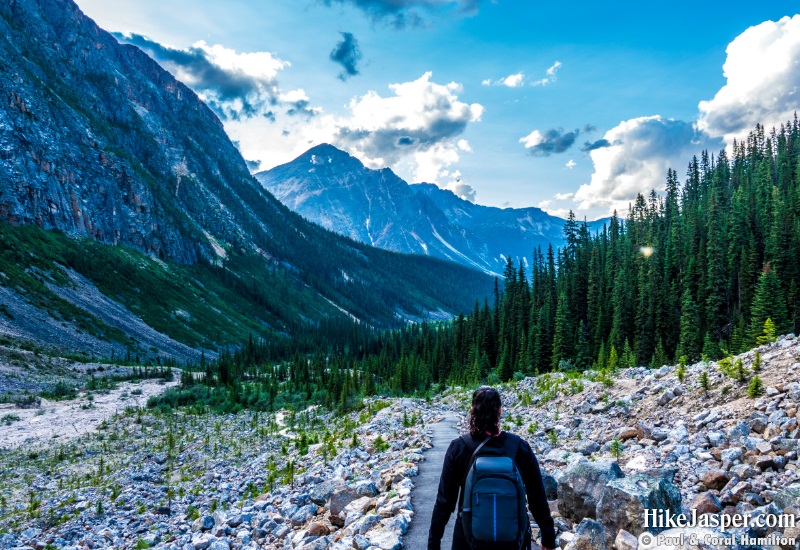
Hiking in September

September is one of the premier hiking seasons in Banff National Park. Comfortable temperatures, stunning fall colours, crisp mountain air, active wildlife, fewer visitors, and breathtaking scenery combine to create unforgettable hiking experiences for everyone from casual walkers to experienced mountain adventurers.

Hiking in September

Hiking in September

September is widely considered one of the best months for hiking in Banff National Park. The summer crowds begin to ease, daytime temperatures become cooler and more comfortable, and the first signs of autumn bring brilliant shades of yellow and gold to many forests and valleys. Combined with crisp mountain air and excellent visibility, September offers outstanding hiking conditions throughout the park.

Trails range from easy lakeside walks to challenging alpine adventures, allowing hikers of all abilities to enjoy Banff's spectacular landscapes. Popular routes lead to glacier-fed lakes, waterfalls, mountain passes, alpine meadows, panoramic ridgelines, and breathtaking summit viewpoints. The comfortable weather makes both short hikes and full-day adventures more enjoyable than during the hottest weeks of summer.

Early September often still feels like late summer at lower elevations, while higher alpine areas begin transitioning toward autumn. By the middle and end of the month, many larch trees start turning their brilliant golden colour, creating one of the most anticipated natural displays in the Canadian Rockies. These vibrant forests attract hikers from around the world and transform many mountain valleys into spectacular landscapes.

The cooler temperatures make climbing to higher elevations more pleasant, but weather conditions become increasingly unpredictable as autumn progresses. Sunny mornings can quickly change to strong winds, rain, or even snow at higher elevations. Dressing in layers and carrying waterproof clothing, warm outerwear, gloves, and a hat helps ensure comfort throughout the day.

Wildlife is especially active during September. Elk are in their annual rut, and their bugling calls can often be heard echoing through the valleys. Bears remain highly active as they forage before winter hibernation, while mountain goats, bighorn sheep, deer, pikas, marmots, and numerous bird species are commonly seen throughout the park. Hikers should remain alert, travel responsibly, carry bear spray, and give all wildlife plenty of space.

September also offers exceptional photography opportunities. Clear mountain air produces remarkable long-distance views, while the lower angle of the sun creates warm, rich lighting across mountain peaks, lakes, forests, and valleys. Calm mornings often provide perfect reflections on Banff's famous turquoise lakes, making early starts especially rewarding.

The shorter daylight hours mean hikers should begin longer routes early and allow plenty of time to return before sunset. Bringing a headlamp, extra clothing, snacks, water, and navigation tools is recommended for anyone venturing into the backcountry or tackling more demanding trails.

Many of Banff's most famous hiking destinations remain accessible throughout September, including trails around Lake Louise, Moraine Lake, Johnston Canyon, Sunshine Meadows, Tunnel Mountain, Sulphur Mountain, and numerous routes along the Icefields Parkway. Conditions at higher elevations should always be checked before setting out, as early-season snow can occasionally affect alpine trails later in the month.

September is one of the premier hiking seasons in Banff National Park. Comfortable temperatures, stunning fall colours, crisp mountain air, active wildlife, fewer visitors, and breathtaking scenery combine to create unforgettable hiking experiences for everyone from casual walkers to experienced mountain adventurers. Hiking

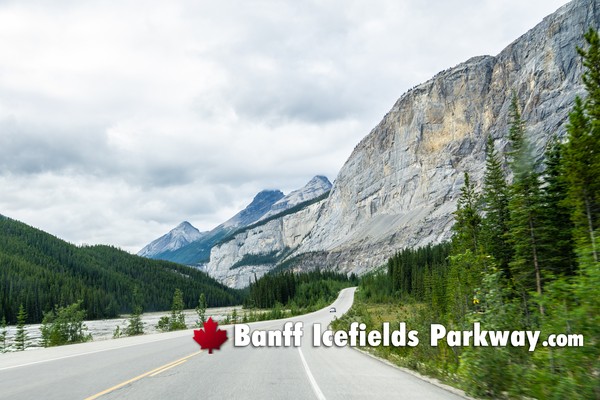
Icefields Parkway During September

September is one of the very best times to experience the Icefields Parkway. Spectacular early autumn colours, glacier-covered mountains, turquoise lakes, powerful waterfalls, abundant wildlife, comfortable weather, and fewer crowds combine to create an unforgettable road trip through the heart of the Canadian Rockies.

Icefields Parkway During September

Icefields Parkway During September

September is one of the most spectacular months to drive the Icefields Parkway. Stretching between Lake Louise and Jasper, this world-famous mountain highway showcases the Canadian Rockies at one of their most beautiful times of year. Cooler temperatures, crisp mountain air, fewer visitors, and the first brilliant autumn colours create an unforgettable journey through glaciers, turquoise lakes, waterfalls, and towering mountain peaks.

As autumn begins, many forests and valley floors transform with vibrant shades of gold as alpine larch and deciduous trees begin their seasonal colour change. Higher elevations may receive their first light snowfall later in the month, creating a stunning contrast between snow-capped peaks, colourful forests, and glacier-fed lakes. Every turn along the parkway offers breathtaking scenery and countless opportunities to stop and enjoy the landscape.

September is an excellent time to explore many of the Parkway's iconic attractions. Visitors can admire the brilliant blue waters of Bow Lake and Peyto Lake, experience the power of Athabasca Falls and Sunwapta Falls, visit the Columbia Icefield, walk the Columbia Icefield Skywalk, or simply enjoy the many scenic viewpoints overlooking valleys, glaciers, rivers, and rugged mountain ranges.

Wildlife activity reaches one of its annual peaks during September. Elk are in their rut and can often be heard bugling throughout the valleys. Bears remain active while feeding before winter hibernation, while bighorn sheep, mountain goats, deer, moose, foxes, and a wide variety of birds may be seen throughout the journey. Early morning and evening are often the best times for wildlife viewing, but animals can appear at any time, so drivers should remain alert and reduce speed when wildlife is present.

Photographers often consider September one of the finest months to travel the Icefields Parkway. The lower angle of the sun creates warm, rich lighting throughout the day, while cool, clear air provides exceptional visibility across the mountain ranges. Calm mornings frequently produce mirror-like reflections on lakes, and dramatic clouds often add depth and atmosphere to mountain landscapes.

The cooler temperatures make September ideal for hiking and exploring the numerous trails along the Parkway. Short interpretive walks, lakeshore paths, waterfall viewpoints, and longer alpine hikes are all more comfortable than during the warmer summer months. Higher elevations can experience rapidly changing weather, so visitors should be prepared for cool temperatures, strong winds, and the possibility of early snowfall.

Road conditions are generally excellent throughout most of September, making it an ideal month for scenic driving. However, mountain weather can change quickly, especially later in the month, so travellers should check forecasts before departing and allow plenty of time to enjoy the many viewpoints without feeling rushed.

The quieter atmosphere adds to the overall experience. Parking areas are often less crowded than during peak summer, allowing visitors to spend more time appreciating the scenery, photographing the landscapes, and enjoying the peaceful surroundings that make the Icefields Parkway one of the world's great mountain drives.

September is one of the very best times to experience the Icefields Parkway. Spectacular early autumn colours, glacier-covered mountains, turquoise lakes, powerful waterfalls, abundant wildlife, comfortable weather, and fewer crowds combine to create an unforgettable road trip through the heart of the Canadian Rockies. Banff Icefields Parkway

Johnston Canyon During September

September is an outstanding time to explore Johnston Canyon. Cooler weather, fewer crowds, vibrant early fall scenery, powerful waterfalls, comfortable hiking conditions, and the peaceful atmosphere of Banff National Park combine to create one of the most memorable canyon walks in the Canadian Rockies.

Johnston Canyon During September

Johnston Canyon During September

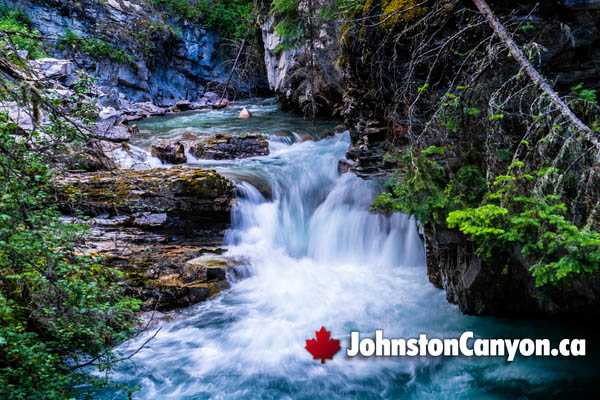
September is one of the best times to visit Johnston Canyon. As autumn begins to settle into Banff National Park, the canyon offers cooler temperatures, fresh mountain air, and the first hints of fall colour along the forested trail. With the peak summer season coming to an end, visitors often enjoy a quieter and more relaxed experience while exploring one of the park's most popular natural attractions.

The well-maintained trail follows Johnston Creek through a narrow limestone canyon, crossing sturdy bridges and elevated catwalks that are built directly into the canyon walls. These unique walkways provide close-up views of rushing turquoise water, cascading waterfalls, deep pools, and sculpted rock formations that have been carved over thousands of years.

The Lower Falls are the first major highlight along the trail. Visitors can admire the powerful waterfall from several viewpoints, including the famous tunnel that leads to a small observation platform near the base of the falls. The mist, sound of the rushing water, and dramatic canyon walls create an unforgettable experience, especially in the cool September air.

Continuing farther along the trail brings visitors to the impressive Upper Falls. Here, the creek plunges through a narrow rock chute into the canyon below, offering spectacular views from elevated viewing platforms. The surrounding forest begins to display early autumn colours, providing beautiful contrast against the dark canyon walls and bright turquoise water.

The cooler temperatures make September an ideal time for walking the trail. Comfortable hiking conditions allow visitors to take their time exploring the canyon, enjoying the scenery, and stopping at the many viewpoints without the heat of midsummer. The trail remains suitable for families, casual walkers, and photographers alike.

Wildlife is often more active during September as animals prepare for winter. Birds, squirrels, chipmunks, and occasionally deer or elk may be seen in the surrounding forest. Bears also remain active throughout the fall, so visitors should stay alert, remain on designated trails, and follow all posted wildlife safety information.

Photographers often consider September one of the most rewarding months to visit Johnston Canyon. The softer autumn sunlight, colourful foliage, clear creek, moss-covered canyon walls, and rushing waterfalls combine to create outstanding photographic opportunities throughout the trail. Early morning visits often provide the calmest conditions and fewer visitors.

Weather in September can change quickly in the mountains. While afternoons are often pleasant, mornings may be cool, and rain or even light snowfall at higher elevations is possible later in the month. Wearing layered clothing and sturdy walking shoes helps ensure a comfortable visit regardless of changing conditions.

Many visitors choose to continue beyond the Upper Falls toward the Ink Pots, where a quieter trail leads through open forests and mountain meadows to a series of crystal-clear mineral springs. The peaceful surroundings and early autumn colours make this extension especially enjoyable during September.

September is an outstanding time to explore Johnston Canyon. Cooler weather, fewer crowds, vibrant early fall scenery, powerful waterfalls, comfortable hiking conditions, and the peaceful atmosphere of Banff National Park combine to create one of the most memorable canyon walks in the Canadian Rockies. Johnston Canyon

Lake Louise in September

September is one of the very best times to experience Lake Louise. Fewer visitors, comfortable hiking weather, brilliant turquoise water, spectacular mountain scenery, early autumn colours, golden larches, and exceptional photography opportunities combine to create an unforgettable visit to one of Canada's most iconic destinations.

Lake Louise in September

Lake Louise in September

September is one of the most spectacular times to visit Lake Louise. As summer transitions into autumn, the crowds gradually begin to thin, the air becomes crisp and refreshing, and the surrounding mountains take on the first colours of the season. The combination of turquoise glacier-fed water, towering peaks, and early golden larch trees creates one of the most breathtaking landscapes in the Canadian Rockies.

The lake remains brilliantly turquoise throughout September, reflecting the towering face of Victoria Glacier and the rugged mountain peaks that surround it. Calm mornings often provide mirror-like reflections, making sunrise one of the most rewarding times for photography. As the day progresses, changing light continually transforms the colours of the lake and mountains.

September offers ideal weather for exploring the lakeshore and nearby hiking trails. Comfortable daytime temperatures make it easy to enjoy a leisurely walk along the shoreline or venture farther into the surrounding wilderness. Popular hikes such as the Lake Agnes Tea House, Plain of Six Glaciers, Big Beehive, Little Beehive, and Saddleback become especially enjoyable in the cooler conditions.

One of September's greatest highlights is the beginning of the golden larch season. Later in the month, alpine larch trees begin turning brilliant shades of yellow and gold, creating one of the most celebrated natural displays in the Rockies. Trails leading into higher elevations become particularly beautiful as colourful forests contrast with dark evergreen trees, rugged mountain slopes, and fresh snow on the highest peaks.

Paddling across Lake Louise in a canoe remains a memorable experience during September. The cooler air and quieter atmosphere allow visitors to appreciate the peaceful surroundings while enjoying panoramic views of Victoria Glacier, Fairview Mountain, Mount Whyte, and the dramatic alpine landscape from the water.

Wildlife activity increases throughout September as animals prepare for winter. Elk become especially active during their annual rut, while deer, pikas, marmots, mountain goats, and a variety of birds may also be seen in the surrounding forests and alpine areas. Bears continue feeding heavily before hibernation, so hikers should remain alert and follow all wildlife safety guidelines.

September is also one of the best months for photography. The lower angle of the sun produces warm, soft light throughout the day, enhancing the lake's vivid colours and the surrounding mountain scenery. Early mornings frequently offer calm water, clear skies, and exceptional visibility, while occasional snowfall on nearby peaks later in the month adds dramatic contrast to the autumn landscape.

Weather can change quickly at this elevation. Mornings are often chilly, afternoons are pleasantly cool, and temperatures can drop below freezing overnight. Visitors should dress in layers and be prepared for sudden changes, including rain or light snow, particularly toward the end of September.

Lake Louise also serves as an excellent starting point for exploring nearby attractions such as Moraine Lake, the Icefields Parkway, Bow Lake, Peyto Lake, and Yoho National Park. The quieter roads and comfortable temperatures make September an ideal month for discovering the surrounding region.

September is one of the very best times to experience Lake Louise. Fewer visitors, comfortable hiking weather, brilliant turquoise water, spectacular mountain scenery, early autumn colours, golden larches, and exceptional photography opportunities combine to create an unforgettable visit to one of Canada's most iconic destinations. Banff Lake Louise

Moraine Lake in September

September is one of the most spectacular months to experience Moraine Lake. Brilliant turquoise water, colourful alpine larches, cooler hiking weather, breathtaking mountain scenery, active wildlife, and exceptional photography opportunities combine to create an unforgettable visit to one of the Canadian Rockies' most iconic and beautiful landscapes.

Moraine Lake in September

Moraine Lake in September

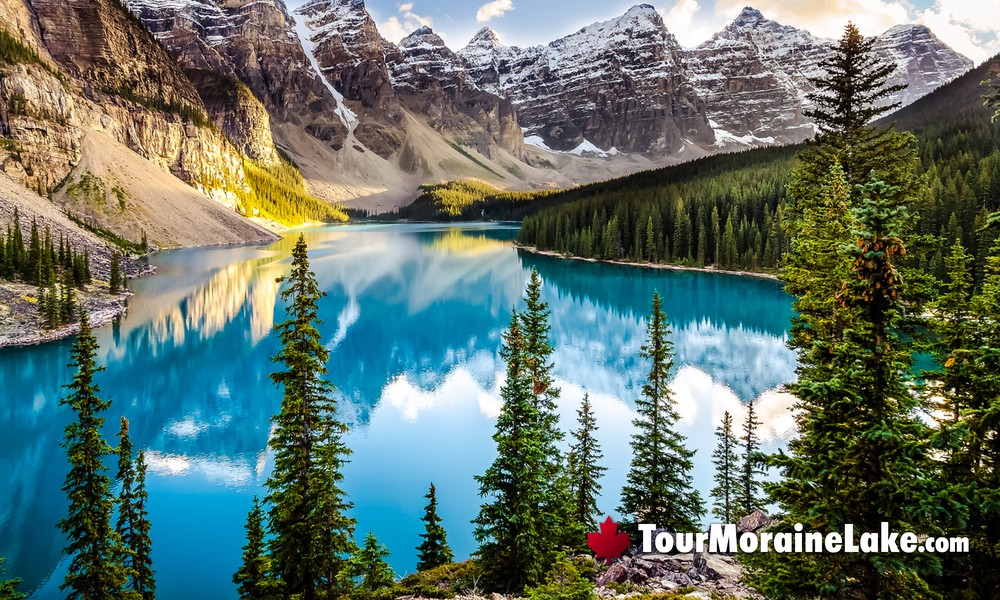
September is one of the most breathtaking times to visit Moraine Lake. As autumn arrives in Banff National Park, the Valley of the Ten Peaks becomes even more dramatic with crisp mountain air, brilliant turquoise water, and the first golden colours appearing throughout the alpine landscape. The combination of cooler temperatures and spectacular scenery makes September one of the most sought-after months to experience this iconic destination.

The lake's vivid turquoise colour remains striking throughout September, created by fine glacial rock flour suspended in the water. Surrounded by the towering peaks of the Valley of the Ten Peaks, Moraine Lake offers unforgettable views from every angle. Calm mornings often produce beautiful reflections of the mountains, while the lower autumn sun adds warmth and depth to the surrounding landscape.

One of the highlights of visiting in September is the beginning of the golden larch season. Later in the month, alpine larch trees turn brilliant shades of gold, creating a stunning contrast against the dark evergreen forests, grey mountain cliffs, and turquoise lake. Trails leading into the surrounding alpine valleys become especially popular as hikers come to witness one of the Canadian Rockies' most spectacular seasonal displays.

The famous Rockpile Trail provides one of the most recognizable viewpoints in Canada. The short climb rewards visitors with panoramic views overlooking Moraine Lake, the Valley of the Ten Peaks, and the surrounding forests. September's clear mountain air often provides exceptional visibility, making it one of the best times for photography.

For hikers, September offers ideal conditions. Cooler daytime temperatures make longer trails more comfortable, including routes to Larch Valley, Sentinel Pass, Consolation Lakes, and Eiffel Lake. These trails showcase colourful alpine scenery, glacier-carved valleys, and breathtaking mountain panoramas that become even more impressive as autumn progresses.

Wildlife activity also increases during September. Elk are in their annual rut, while bears remain active as they prepare for winter hibernation. Visitors may also encounter pikas, marmots, mountain goats, deer, and a variety of birds throughout the surrounding forests and alpine meadows. Hikers should remain alert, carry bear spray where appropriate, and always give wildlife plenty of space.

September's cooler weather makes exploring the lakeshore particularly enjoyable. Walking paths along the shoreline provide ever-changing perspectives of the lake and mountains, while the peaceful atmosphere allows visitors to fully appreciate the natural beauty of the area. Early mornings are especially quiet and often feature calm water with mirror-like reflections.

Mountain weather becomes more variable during September. Mornings can be cold, afternoons remain comfortably cool, and early snowfall is possible later in the month, particularly at higher elevations. Dressing in layers and preparing for changing conditions helps ensure a comfortable visit.

Access to Moraine Lake remains carefully managed, making advance planning important. Visitors should arrange transportation before their trip, especially during September when the golden larch season attracts hikers and photographers from around the world.

September is one of the most spectacular months to experience Moraine Lake. Brilliant turquoise water, colourful alpine larches, cooler hiking weather, breathtaking mountain scenery, active wildlife, and exceptional photography opportunities combine to create an unforgettable visit to one of the Canadian Rockies' most iconic and beautiful landscapes. Moraine Lake

September at Peyto Lake

September is one of the very best times to visit Peyto Lake. Brilliant turquoise water, comfortable temperatures, colourful autumn landscapes, exceptional mountain views, active wildlife, and outstanding photography opportunities combine to create an unforgettable experience along one of the world's most scenic highways.

September at Peyto Lake

September at Peyto Lake

September is one of the most spectacular months to visit Peyto Lake. As autumn begins in Banff National Park, cooler temperatures, crisp mountain air, and the first golden colours transform this famous viewpoint into one of the Canadian Rockies' most breathtaking destinations. With the busy summer season beginning to ease, visitors can enjoy a more peaceful experience while taking in one of the park's most iconic landscapes.

Peyto Lake is renowned for its brilliant turquoise colour, created by fine glacial sediment carried into the lake by meltwater from the Peyto Glacier. Throughout September, the vivid blue water contrasts beautifully with evergreen forests, rocky mountain slopes, and the first touches of autumn gold. Later in the month, fresh snow often appears on the highest peaks, creating an unforgettable combination of fall colours and alpine scenery.

The main viewpoint provides sweeping panoramic views high above the lake, revealing its distinctive shape and the surrounding mountain valleys. The cooler, clearer air of September often delivers exceptional visibility, allowing visitors to fully appreciate the dramatic landscape stretching across the Canadian Rockies. Sunrise and early morning are particularly rewarding, with soft light and fewer visitors creating ideal conditions for photography.

The comfortable temperatures make September an excellent time to explore the walking paths leading to the viewing areas. Short trails through the forest offer scenic viewpoints and opportunities to enjoy the peaceful mountain environment. The crisp autumn air makes even a leisurely walk especially refreshing.

Wildlife becomes increasingly active during September as animals prepare for winter. Visitors may spot elk, deer, mountain goats, bighorn sheep, pikas, marmots, and a variety of birds in the surrounding forests and alpine slopes. Bears also remain active throughout the month, so visitors should stay aware of their surroundings and follow all wildlife safety guidelines.

September is considered one of the finest months for photography at Peyto Lake. The lower angle of the sun creates rich colours and dramatic shadows across the landscape, while the contrast between turquoise water, colourful forests, and snow-dusted mountain peaks produces spectacular images throughout the day. Clear mornings often provide the best visibility and the most vibrant colours.

Weather in the mountains can change quickly during September. Mornings are often chilly, afternoons remain comfortably cool, and rain or light snowfall is possible, especially later in the month. Dressing in layers and bringing a warm jacket helps ensure a comfortable visit regardless of changing conditions.

Peyto Lake is also an excellent stop along the Icefields Parkway, making it easy to combine with nearby attractions such as Bow Lake, Waterfowl Lakes, the Columbia Icefield, Athabasca Falls, and Lake Louise. The scenic drive itself becomes even more memorable as early autumn colours begin to spread across the valleys.

September is one of the very best times to visit Peyto Lake. Brilliant turquoise water, comfortable temperatures, colourful autumn landscapes, exceptional mountain views, active wildlife, and outstanding photography opportunities combine to create an unforgettable experience along one of the world's most scenic highways. Peyto Lake

Spirit Island During September

September is one of the finest times to experience Spirit Island. Peaceful surroundings, crystal-clear water, spectacular mountain scenery, colourful early autumn landscapes, outstanding photography conditions, and the unforgettable beauty of Maligne Lake combine to create one of the most memorable experiences in the Canadian Rockies.

Spirit Island During September

Spirit Island During September

September is one of the most magical times to visit Spirit Island. As autumn begins to colour Jasper National Park, the iconic island becomes surrounded by crisp mountain air, calm turquoise water, and the first golden hues of the season. With fewer visitors than the height of summer, September offers a quieter and more peaceful opportunity to experience one of the Canadian Rockies' most photographed locations.

Reaching Spirit Island is an adventure in itself. Most visitors arrive by boat across the crystal-clear waters of Maligne Lake, travelling through a landscape of towering mountain peaks, forested shorelines, and picturesque islands. Throughout September, the lake is often remarkably calm, producing beautiful reflections that enhance the dramatic scenery during the journey.

Upon arriving, a short walking path leads to the famous viewing platform overlooking Spirit Island. Here, the small pine-covered island sits in brilliant turquoise water, framed by the majestic Hall of the Gods mountain range. The combination of colourful autumn vegetation, fresh mountain air, and occasional snow on the highest peaks creates one of the most breathtaking landscapes in Jasper National Park.

September's cooler temperatures make exploring the viewing area especially comfortable. Visitors can take their time enjoying the scenery, photographing the landscape, and appreciating the peaceful atmosphere without the heat of midsummer. The quieter pace allows for a more relaxed experience while taking in the remarkable beauty of the lake and surrounding mountains.

Photographers often consider September one of the best months to capture Spirit Island. The lower angle of the sun produces warm, golden light that enhances the colours of the water, forests, and mountain peaks. Calm mornings and changing autumn skies provide exceptional opportunities for landscape photography, while the first snow on higher elevations adds striking contrast to the scene.

Wildlife activity also increases during September as animals prepare for winter. Bald eagles, ospreys, ravens, and a variety of other birds are frequently seen around the lake, while elk, deer, moose, and occasionally bears may be spotted along the shoreline or on the drive to and from Maligne Lake. Visitors should always respect wildlife by observing from a safe distance.

Weather during September can vary throughout the day. Mornings are often cool, afternoons are pleasantly refreshing, and temperatures can drop quickly once the sun moves behind the mountains. Dressing in layers and bringing a warm jacket ensures a comfortable visit, particularly during boat rides across the open lake.

The surrounding scenery continues to evolve throughout the month. Early September often retains the lush greens of summer, while later weeks introduce vibrant yellow larch and aspen colours along with increasing chances of snow on the highest mountain peaks. Every visit offers a slightly different perspective of this world-famous landscape.

September is one of the finest times to experience Spirit Island. Peaceful surroundings, crystal-clear water, spectacular mountain scenery, colourful early autumn landscapes, outstanding photography conditions, and the unforgettable beauty of Maligne Lake combine to create one of the most memorable experiences in the Canadian Rockies. Spirit Island

Sunwapta Falls in September

September is one of the best times to experience Sunwapta Falls. Powerful waterfalls, colourful early autumn scenery, crisp mountain air, active wildlife, outstanding photography opportunities, and the peaceful atmosphere of Jasper National Park combine to create an unforgettable stop along one of the world's most scenic mountain highways.

Sunwapta Falls in September

Sunwapta Falls in September

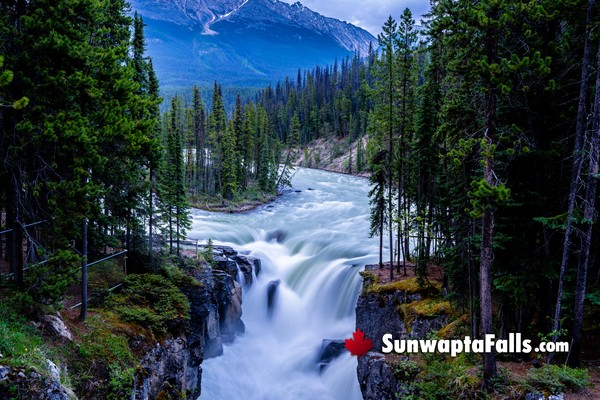
September is one of the most beautiful months to visit Sunwapta Falls. As autumn begins to settle across Jasper National Park, cooler temperatures, crisp mountain air, and the first golden colours create a spectacular setting around one of the Canadian Rockies' most powerful waterfalls. With the peak summer crowds beginning to diminish, visitors can enjoy a quieter and more peaceful experience along the Icefields Parkway.

Fed by glacial meltwater from the Columbia Icefield, the Sunwapta River rushes through a narrow gorge before plunging over the dramatic Upper Falls. Although water levels gradually begin to decline from their summer peak, the falls remain powerful and impressive throughout September. The thunder of the cascading water, combined with swirling mist and rugged canyon walls, makes for an unforgettable natural spectacle.

The viewing areas near the bridge provide outstanding perspectives of the waterfall and the island that divides the river just before it plunges into the canyon. From these vantage points, visitors can appreciate the force of the water as it carves its way through ancient rock formations surrounded by towering mountain scenery.

September also brings beautiful seasonal colour to the surrounding forests. Early golden leaves begin to appear among the evergreens, creating striking contrast against the turquoise glacial water and dark canyon walls. Later in the month, fresh snow may dust the highest mountain peaks, adding another layer of beauty to the landscape.

A short walking trail leads downstream to the Lower Falls, where the river flows through a wider canyon with quieter sections and additional viewpoints. This peaceful walk allows visitors to experience another side of the Sunwapta River while enjoying the cool autumn air and colourful forest surroundings.

Wildlife activity increases throughout September as animals prepare for winter. Elk, deer, bighorn sheep, mountain goats, and a variety of birds are commonly seen throughout the surrounding valleys and forests. Bears also remain active during this season, so visitors should stay alert, remain on designated trails, and follow all wildlife safety guidelines.

September offers exceptional opportunities for photography. The softer autumn sunlight highlights the texture of the canyon walls, while colourful foliage, rushing whitewater, and snow-capped mountain peaks create dramatic compositions throughout the day. Early morning and late afternoon often provide the most beautiful lighting and the fewest visitors.

Weather can change rapidly during September. While afternoons are often cool and comfortable, mornings can be chilly, and rain or light snowfall is possible later in the month. Layered clothing, a warm jacket, and sturdy footwear are recommended for exploring the trails and viewpoints.

Many travellers combine Sunwapta Falls with other nearby attractions along the Icefields Parkway, including Athabasca Falls, the Columbia Icefield, Bow Lake, Peyto Lake, and numerous scenic overlooks. September's quieter roads and comfortable conditions make it an ideal month to explore several destinations in a single day.

September is one of the best times to experience Sunwapta Falls. Powerful waterfalls, colourful early autumn scenery, crisp mountain air, active wildlife, outstanding photography opportunities, and the peaceful atmosphere of Jasper National Park combine to create an unforgettable stop along one of the world's most scenic mountain highways. Sunwapta Falls

Canadian Rockies Summer Wildlife Tour - Banff in September
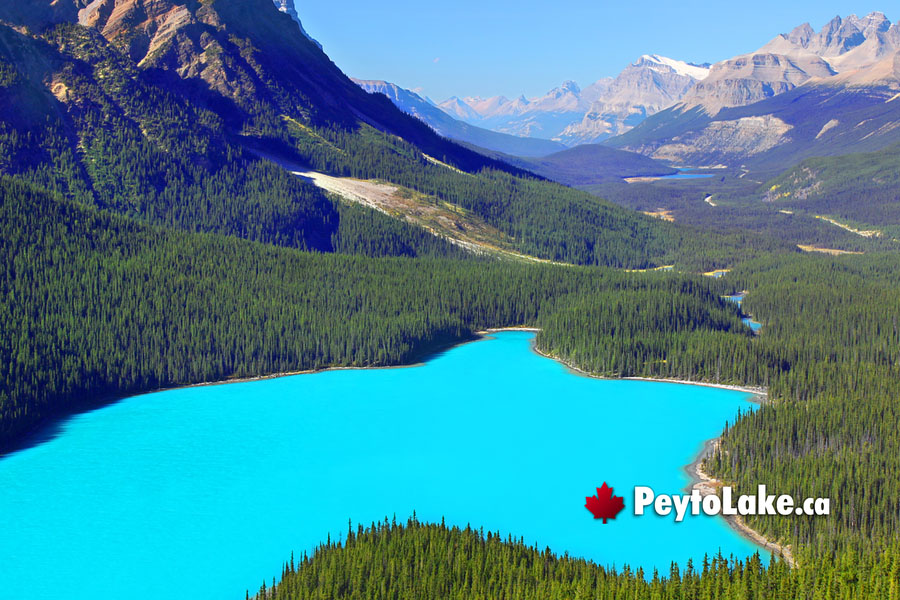
Learn of the steps taken in Canada's National Parks that ensure wildlife survival in the park, and gain insight into Banff's rich ecology, history and geology. This is a must for wildlife and nature lovers.


Canadian Rockies Summer Wildlife Tour - Banff in September
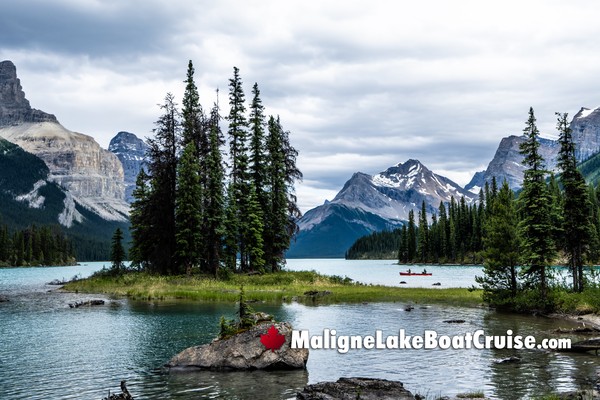
Book Banff's Wildlife Tour

Banff, Alberta Map

Banff National Park

Contact Banff September.com

Click to Contact Us